Cryptocurrency has evolved dramatically since Bitcoin’s launch in 2009. What started as an experimental form of digital cash has grown into a global financial revolution — shaping banking, technology, gaming, entertainment, and even internet culture.
Today, conversations go beyond Bitcoin or Ethereum. People are talking about crypto tokens, ICOs, DeFi, NFTs, and meme coins. But what do these terms really mean? And why are they important?
This guide breaks it all down in a way anyone can understand.
What Exactly Is Cryptocurrency?
Cryptocurrency is digital money secured by blockchain technology.
Unlike traditional money stored and controlled by banks, crypto is:
- Decentralized — no single authority controls it
- Transparent — transactions are recorded publicly
- Borderless — usable anywhere in the world
- Secure — protected by cryptography
Two major examples:
- Bitcoin (BTC) — created to act as digital cash and store of value
- Ethereum (ETH) — introduced smart contracts, enabling apps and tokens to be built on blockchain
Since then, thousands of cryptocurrencies have emerged — each with its own purpose, use case, and community.
Understanding Crypto Tokens
While all cryptocurrencies are digital assets, not all of them are the same. There are coins (like Bitcoin or Litecoin) that run on their own blockchain, and then there are tokens, which are built on top of existing blockchains.
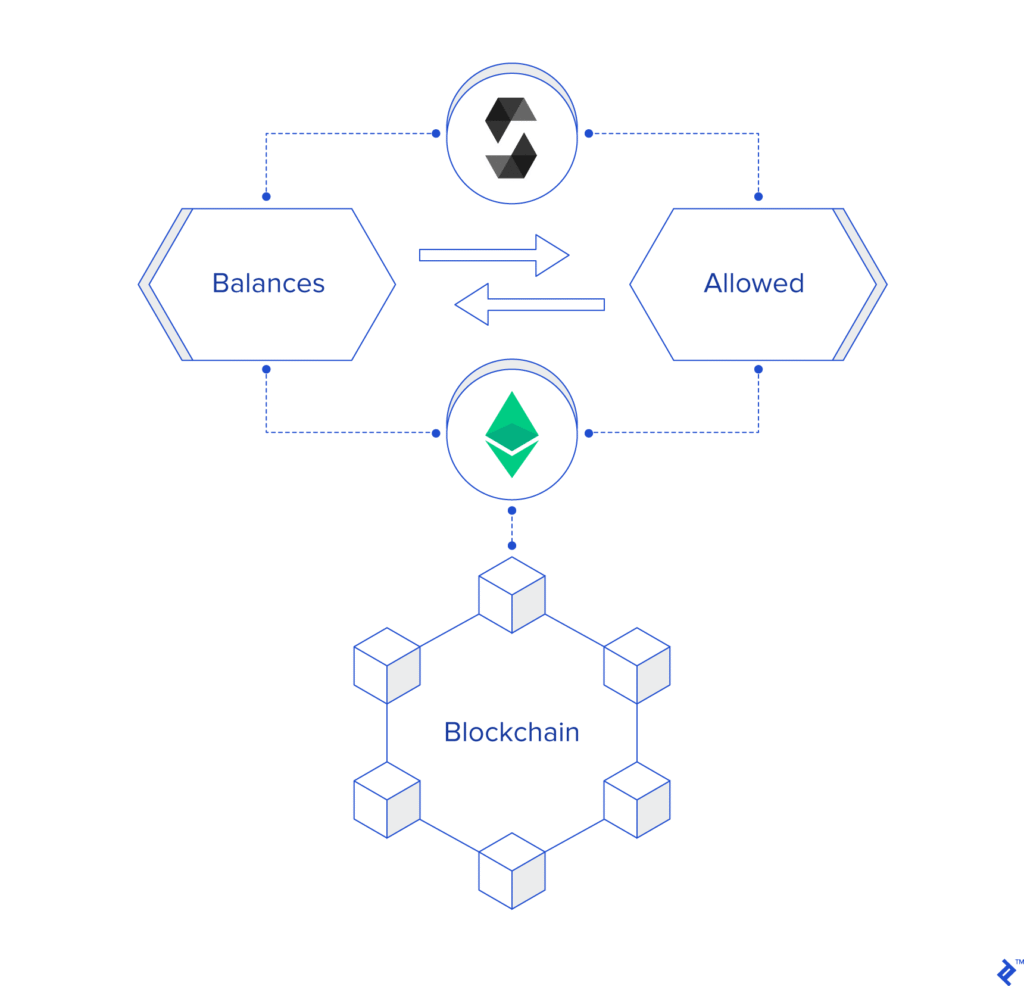
| Feature | Coins | Tokens |
|---|---|---|
| Runs on its own blockchain | ✅ Yes | ❌ No |
| Example blockchain | Bitcoin, Ethereum | Ethereum, BNB Smart Chain |
| Primary role | Currency | Utility, governance, rewards, NFTs |
What Is a Crypto Token?
A token is a digital asset built on an existing blockchain.
Examples:
- ERC-20 tokens → on Ethereum
- BEP-20 tokens → on Binance Smart Chain
- SPL tokens → on Solana
What Can Tokens Represent?
- Utility → access to services (e.g., BNB for fees)
- Governance → voting rights in a project
- Security → investment-backed tokens (regulated like stocks)
- NFTs → art, game characters, digital collectibles
Because tokens don’t require building a new blockchain, they make innovation faster and more accessible.
What Is an ICO (Initial Coin Offering)?
ICO: Initial Coin Offering
Before a new cryptocurrency or token becomes available on exchanges, many projects raise funds through an ICO (Initial Coin Offering).
What is an ICO?
An ICO is a fundraising event where a crypto project sells its new token before it launches on exchanges — similar to buying a startup’s shares early.
How ICOs Work
1️⃣ The project publishes a whitepaper detailing idea, tokenomics, and plans
2️⃣ Investors buy tokens with cryptocurrencies like ETH or BTC
3️⃣ The project launches the token and lists it on exchanges
Benefits of ICOs
- Early access at lower prices
- Supports innovation directly
- Can lead to large returns if project succeeds
Risks (Important ⚠️)
- Scams exist due to minimal regulation
- Projects may fail to deliver
- Token value can drop after launch
Tip: Always research the team, utility, roadmap, and community before investing.
Even though ICO hype peaked in 2017–2018, modern alternatives continue the trend:
- IEO — via exchange platforms
- IDO — via decentralized launchpads
What About Meme Coins?
Meme coins are fun, community-driven tokens inspired by internet pop culture — like Dogecoin or Shiba Inu.
Why People Love Them
- Strong online communities
- Viral marketing potential
- Gamified experience (NFTs, staking, gaming integration)
- Low entry cost for beginners
Reality Check
Some succeed massively. Many fail quickly.
Invest with caution — and community over hype.
Final Thoughts
Cryptocurrency is much bigger than digital money now. The ecosystem includes:
- Tokens powering digital apps and new economies
- ICOs helping innovative projects get funded
- Meme coins connecting culture and finance in fun new ways
Each plays a unique role in shaping the future of Web3.
If you’re new to crypto:
Learn before investing
Understand the project and risks
Focus on real utility and transparent teams
The crypto world is full of opportunity — but smart decisions are what keep you ahead.